When Disability Funding Meets Identity Politics
Inside the Fastest-Growing Part of the NDIS

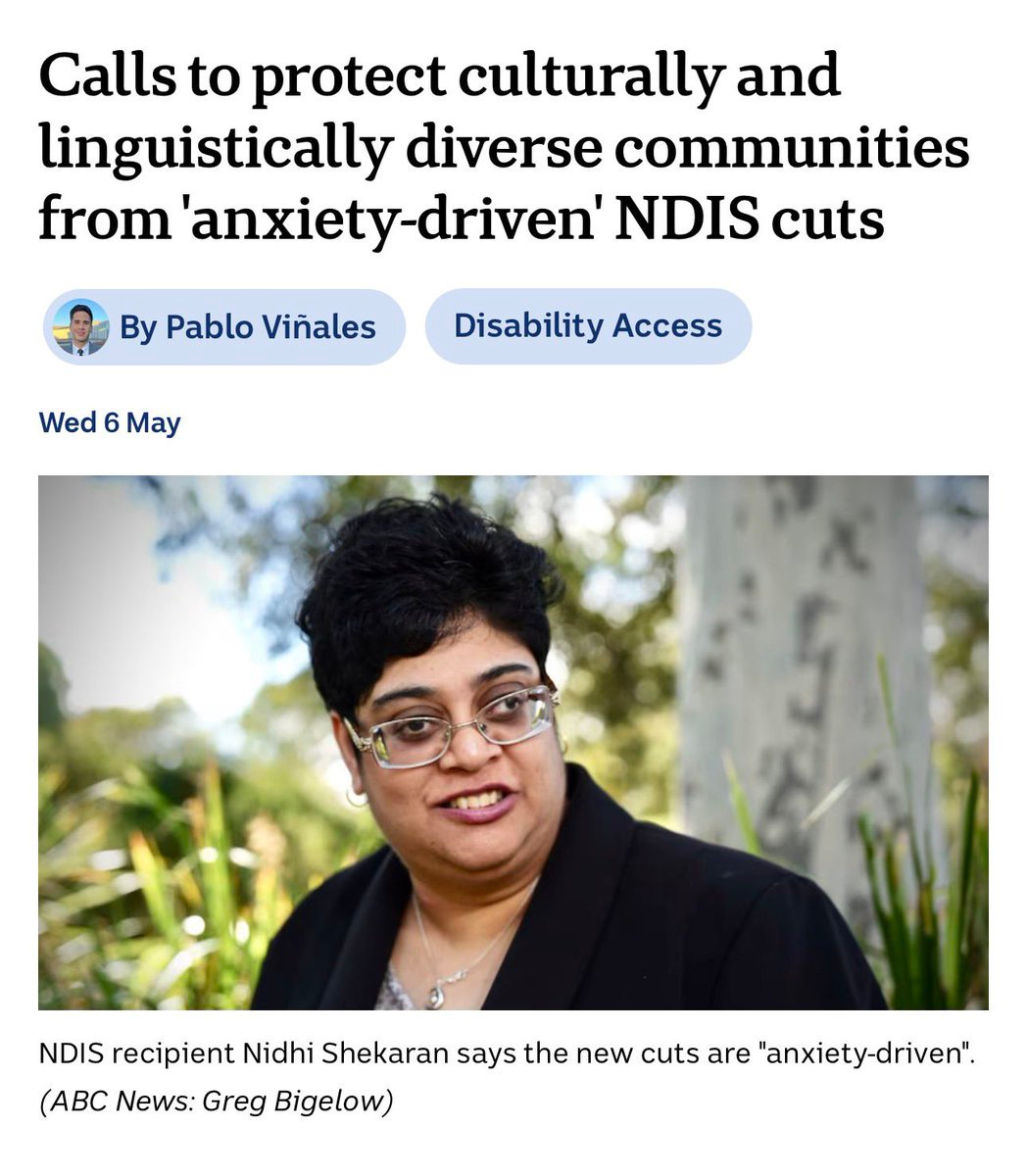
The ABC published a story last week suggesting that when the inevitable cuts come to the NDIS, non-white Australians should be cushioned from the blow.
Now if that idea was taken up, a person’s suitability for NDIS funding would be judged according to their level of disability … and the colour of their skin.
Which sounds … oh I don’t know … kind of racist?
And I always thought racism was bad. Though, these days, I suppose it depend entirely on who’s doing it. Right?
Naturally, the argument that NDIS funding should take race into account arrives gift-wrapped in the language of compassion. It always does.
The article explains that disabled people need social connection. They need to be out in the community. Going to cafés. Going to the movies. Going to church. Which is true enough. Human beings are social creatures. Solitary confinement is a punishment for a reason.
And so the NDIS funds what is called “Social and Community Participation.”
It means that people known as support workers are paid by you and I to take NDIS participants on social outings.
And – surprise, surprise - this particular corner of the NDIS has exploded.
It’s the fastest growing part of the NDIS, having increased from $4b a year in 2021 to $12b this year.
Twelve billion dollars a year to pay for chaperones does sound like a lot.
And when that part of the NDIS is growing by 24.6 percent a year … it’s less sustainable than a paper straw in a McDonalds thick shake …
